
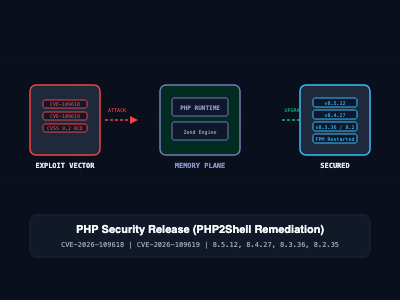
Emergency PHP security updates (8.5.12, 8.4.27, 8.3.36, 8.2.35) fix critical unauthenticated RCE vulnerabilities known as PHP2Shell (CVE-2026-109618 and CVE-2026-109619). Learn root-cause mechanics and run production automated bash/python patching scripts tailored for WordPress, Laravel/Symfony, PHP Native, and Adobe Magento. #PHP #PHP8 #Cybersecurity #WordPress #Laravel #Symfony #Magento #DevOps #AppSec #Linux #SysAdmin #RCE
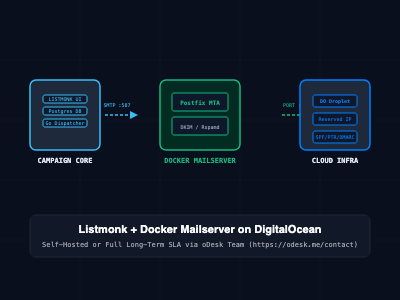
Bypass costly newsletter subscriptions and throttles. Combine Listmonk and Docker Mailserver (DMS) for an enterprise, self-hosted marketing and SMTP pipeline on DigitalOcean using PostgreSQL, Redis, and strict SPF/DKIM/DMARC alignment. For turnkey delivery, setup, deliverability audits, and long-term SLA maintenance, contact the oDesk Team. #Listmonk #DockerMailserver #EmailMarketing #DigitalOcean #SelfHosted #DevOps #SysAdmin #PostgreSQL #SMTP #oDeskTeam
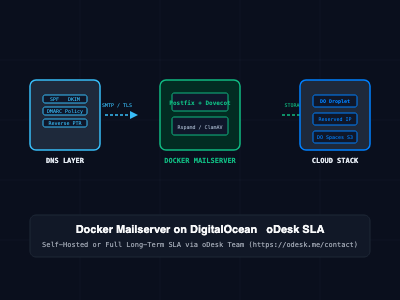
Escape SaaS seat licenses and quotas. Deploy Docker Mailserver (DMS)—integrating Postfix, Dovecot, Rspamd, and ClamAV—on a DigitalOcean Droplet with strict SPF, DKIM, DMARC, and PTR alignment. For turnkey execution, infrastructure setup, deliverability audits, and long-term SLA maintenance contracts, contact the oDesk Team. #DockerMailserver #DigitalOcean #EmailServer #SelfHosted #DevOps #SysAdmin #Cybersecurity #Linux #Postfix #oDeskTeam
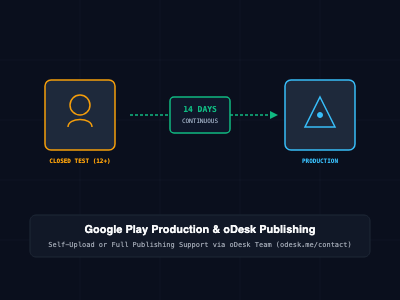
Passing Google Play closed testing requires 12 opted-in testers continuously active for 14 days before personal developer accounts can unlock production publishing. Avoid clock resets, navigate questionnaire audits, automate release pipelines with Fastlane. For help, the oDesk Team provides turnkey publishing, uploading apps directly via your account or an established oDesk developer account. #GooglePlay #AndroidDev #MobileDevOps #Fastlane #CICD #AppPublishing #QA #IndieDev #oDeskTeam #DevOps
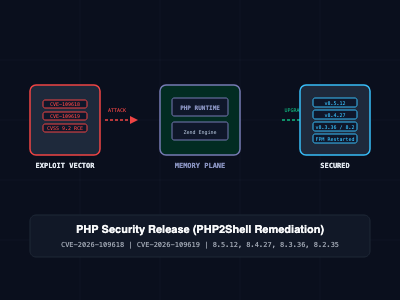
The PHP development team issued emergency security updates for PHP 8.5.12, 8.4.27, 8.3.36, and 8.2.35 to remediate two critical unauthenticated Remote Code Execution (RCE) flaws known as PHP2Shell (CVE-2026-109618 and CVE-2026-109619, CVSS 9.2). Learn how OOM corruption and stale global state trigger remote exploitation, audit vulnerable runtimes across PHP-FPM and FrankenPHP, and deploy immediate server patches. #PHP #PHP8 #Cybersecurity #DevOps #AppSec #Infosec #Linux #SysAdmin #Laravel #RCE
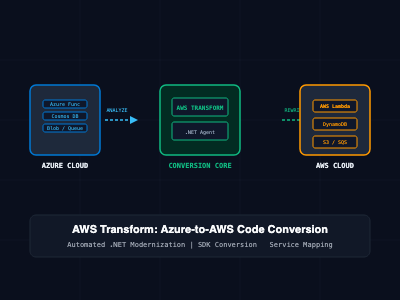
Migrating cloud-native applications across providers traditionally demands manual rewrites. AWS Transform solves this by introducing general availability for Azure-to-AWS cloud-native code conversion for .NET workloads. Learn how AWS Transform converts Azure SDK calls, Cosmos DB, Azure Functions, and Blob Storage to AWS Lambda, DynamoDB, S3, and SQS. #AWS #Azure #CloudMigration #DotNet #AWSLambda #DynamoDB #DevOps #SRE #CloudArchitecture #FinOps
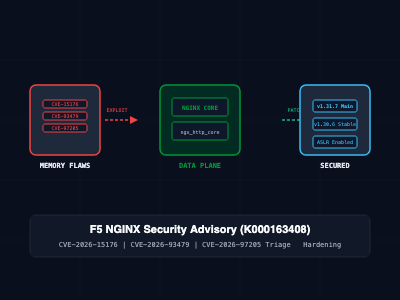
F5 released emergency security updates for NGINX Open Source and NGINX Plus addressing three high-severity memory corruption flaws: CVE-2026-15176 (heap buffer overflow via alias rewrite), CVE-2026-93479 (heap overflow via map regex captures), and CVE-2026-97205 (use-after-free via AIO and SSI). Learn how to audit vulnerable directives, configure immediate mitigations, and patch production ingress controllers. #NGINX #F5 #Cybersecurity #Infosec #DevOps #SRE #AppSec #DevSecOps #Linux #SysAdmin
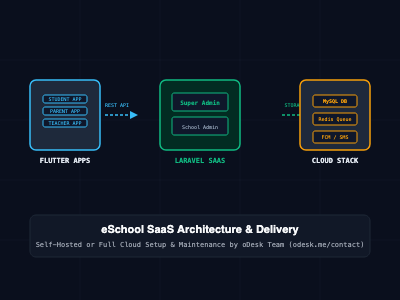
eSchool SaaS is an enterprise-grade multi-school ERP and educational management platform combining a multi-tenant Laravel backend with cross-platform Flutter apps for students, parents, and teachers. Purchase full software packages from the oDesk Team (https://odesk.me/contact) for self-hosted deployment or turnkey cloud setup, ongoing management, and custom engineering. #eSchoolSaaS #SchoolManagement #EdTech #Flutter #Laravel #SchoolERP #SaaS #MobileDev #PHP #CloudHosting #DevOps
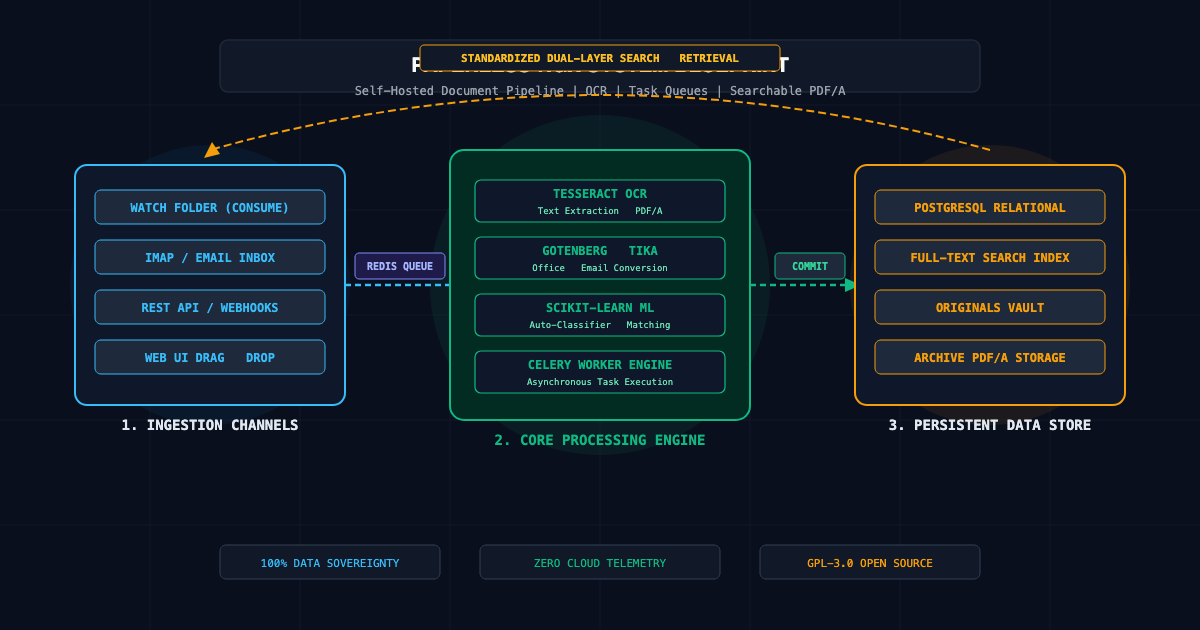
Paperless-ngx transforms physical records into a searchable digital archive using Tesseract OCR, automated machine learning tagging, and asynchronous task queues. Learn how to deploy Paperless-ngx via Docker Compose with PostgreSQL, Redis, and Gotenberg, configure multi-channel ingestion, and secure document workflows. #Paperlessngx #DMS #SelfHosted #DocumentManagement #OCR #Docker #DevOps #SysAdmin #OpenSource #DataPrivacy #HomeServer #Automation
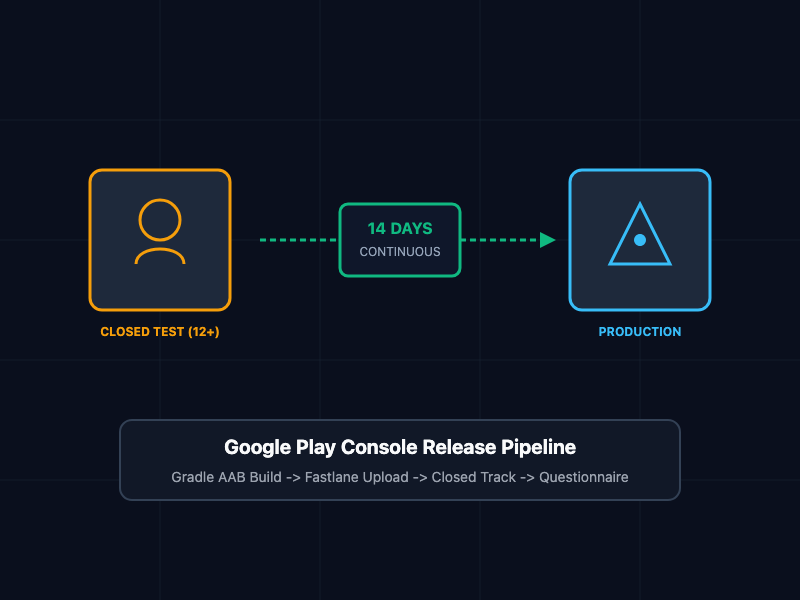
New personal Google Play developer accounts must satisfy strict closed testing criteria before gaining production publishing access. Learn the exact requirements for keeping 12 opted-in testers active across 14 continuous days, answering production readiness surveys, and automating AAB deployments with Fastlane CI/CD pipelines. #GooglePlay #AndroidDev #MobileDevOps #AndroidStudio #GooglePlayConsole #CICD #Fastlane #AppPublishing #QA #IndieDev